FYI: This website contains affiliate links. As an Amazon Associate I earn from qualifying purchases.
- Home
- Reduce Food Waste
Reduce Food Waste at Home With Small Habits That Stick
By Amy DeVries
Short answer: The easiest way to reduce food waste at home is with a few small habits, not a whole new system. Put food that needs eating where you'll see it first, cook once and eat twice, and give your scraps somewhere to go. You don't need new gear or a perfect pantry. Start with one habit, and add the next once the first one sticks.
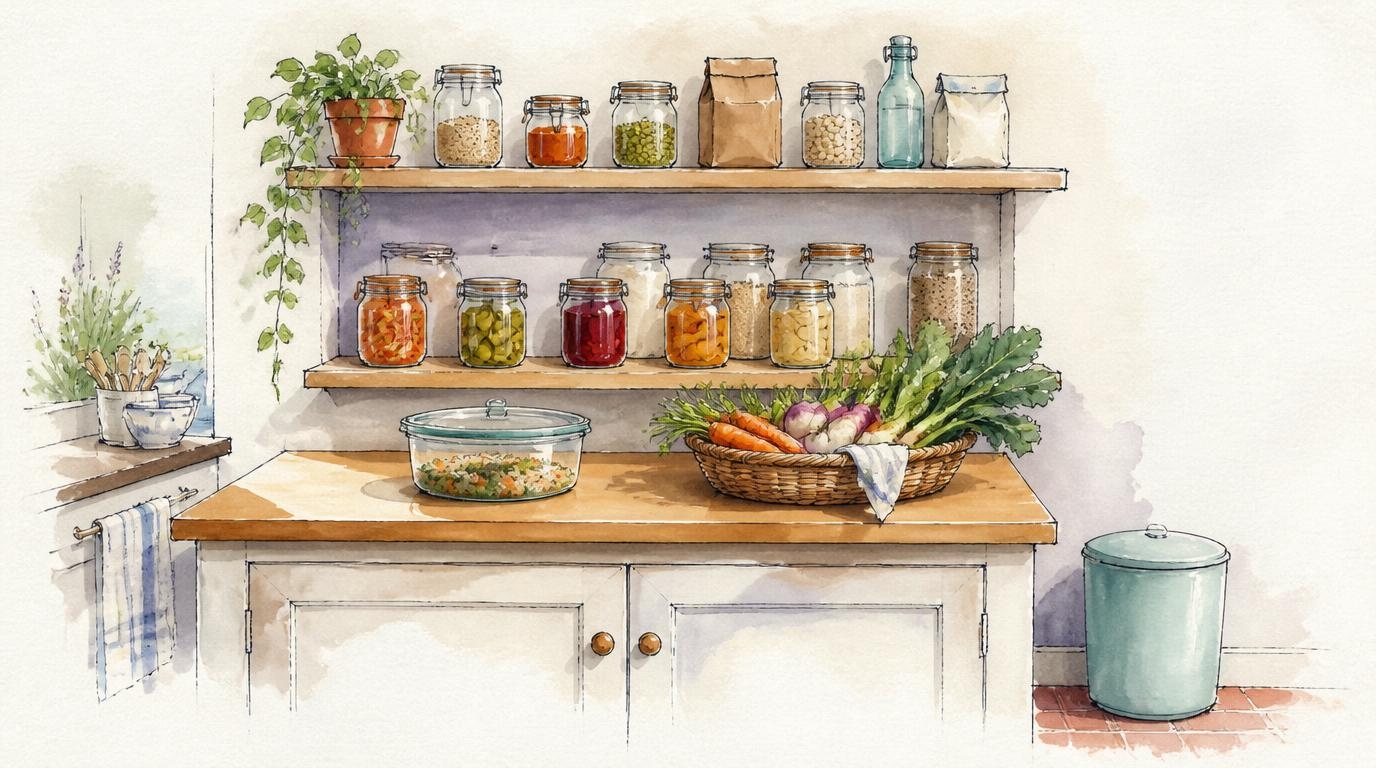 Small habits, not new gear: older food to the front, dinner that turns into lunch, and a place for the scraps.
If you've ever cleaned out the fridge and felt bad about what went in the trash, you're not alone, and you're not careless. Food usually goes to waste because nobody gave it a plan.
Our habits are pretty ordinary. Food that should be used first goes to the front of the shelf. I cook double batches so one cooking session covers two meals, and leftovers are a regular lunch. Reusable lunchboxes, containers, and grocery bags have been routine at our house for many years. None of it took special equipment.
We live on 3 acres now and keep chickens, but you don't need land or a flock for anything on this page. Every habit here works in a small kitchen with one fridge.
Waste-reduction habits, one small system at a time
Waste-Reduction Habits is one of the four systems in my free guide and Starter Map. It comes with four small options. You only need one to start.
- Pantry rotation. Keep older food where you'll see it first. See Eat Me First Bin.
- Kitchen scrap routines. Get two meals from one cooking session, and broth from the bones. See Cook Once, Eat Twice and Slow Cooker Chicken Bone Broth.
- Reusable household systems. Use what you already own before you buy eco gear. See Reusable Kitchen Swaps and Waste Free Lunch.
- Simple compost collection. A small scrap container with a clear place to go. See Kitchen Compost Bin.
Start here
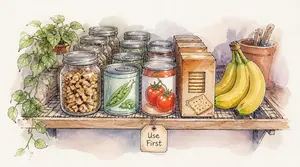
Create one small use-first section in your pantry. Pick one shelf front, or one spot in the fridge, for food that needs eating soon. It's the first step in both my free guide and the Starter Map, and the smallest habit on this page.
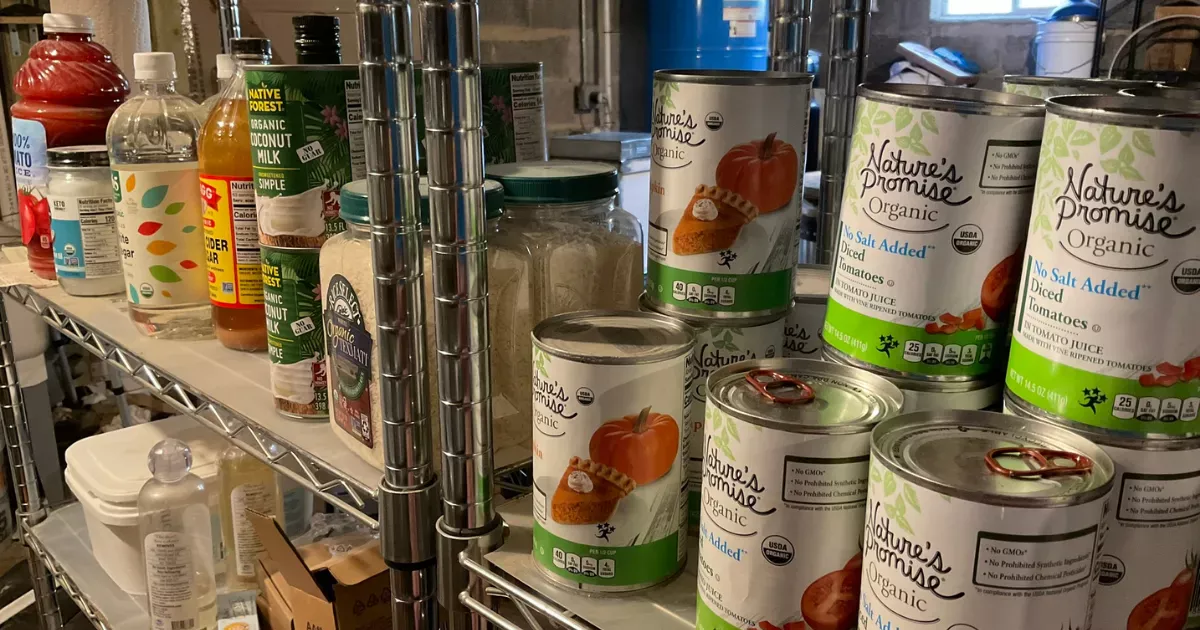 Our use-first shelf. Food that needs eating soon goes to the front, where we'll see it.
Where food goes in our kitchen
Every page in this section covers one stop on this loop. You don't have to do all of them. Pick the stop where the most food goes to waste at your house.
Where food goes in our kitchen
From farmers and farmers markets when we can, local and in season.
↓
Fridge, use-first shelf, and freezer, with older food in front.
Eat Me First Bin · Upright Freezer Organization
↓
↓
↓
Bones become broth. Most of our scraps go to the chickens, and the rest go to the compost pile. Yours can go in a small lidded bin and on to a drop-off site or a friend's pile.
Bone Broth From a Chicken Carcass · Kitchen Compost Bin
↻ Back to shopping: before I make the grocery list, I check the fridge for leftovers to eat first.
Which page should you start with?
Start with the problem you already notice. If none of these sound like you, the free guide at the bottom of this list can help you pick a different first system.
- "I picked Waste-Reduction Habits in the free guide." Start with the shared first step. See Eat Me First Bin.
- "Food keeps going bad before we eat it." See Eat Me First Bin.
- "Leftovers sit in the fridge until they're fuzzy." See Cook Once, Eat Twice.
- "Food scraps stink up my trash, and I don't have a yard." See Kitchen Compost Bin.
- "I want less paper and plastic without buying a pile of eco gear." See Reusable Kitchen Swaps.
- "I buy lunch out or pack it in baggies." See Waste Free Lunch.
- "I hate throwing out chicken bones." See Slow Cooker Chicken Bone Broth.
- "Our freezer is a black hole." See Upright Freezer Organization.
- "I have a yard and want a compost pile." See Compost Pile for Beginners.
- "I'm not sure waste is the right first step." Try my free guide, below.
Waste-Reduction Habits is one of four beginner systems in my free guide, Which Urban Homestead System Should You Start First? If food waste doesn't feel like your first step, the guide can help you pick a system that fits your space.
Store food so it actually gets eaten
Storing food only saves it if you eat it. This isn't about long-term stockpiling. It's about keeping the food you already bought where you'll use it before it spoils.
Use-first shelf
Ours isn't actually a bin. It's the front of a pantry shelf, where food that needs eating goes. You can set one up on a single fridge shelf or pantry shelf. See Eat Me First Bin.
Freezer organization
Switching from a chest freezer to an upright one made our food easier to see, and we waste less. You don't need a second freezer to start. The page covers the freezer on top of your fridge too. See Upright Freezer Organization.
Dehydrating food
Fruit leather is a good way to use up soft fruit before it turns. You don't need a dehydrator to start; the freezer handles extra fruit too. See Dehydrating Food.
What about canning? I've canned, but it's labor and equipment heavy, not where I'd start.
Cook once to reduce food waste at home
Leftovers go bad when nobody gives them a job. Cooking with a plan for the second meal fixes most of that.
Cook once, eat twice
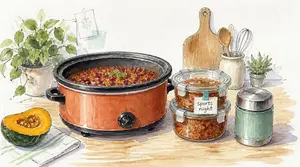
On nights we're home, I cook a double batch. The second half becomes dinner on a busy activity night, and extra burgers become lunch. See Cook Once, Eat Twice.
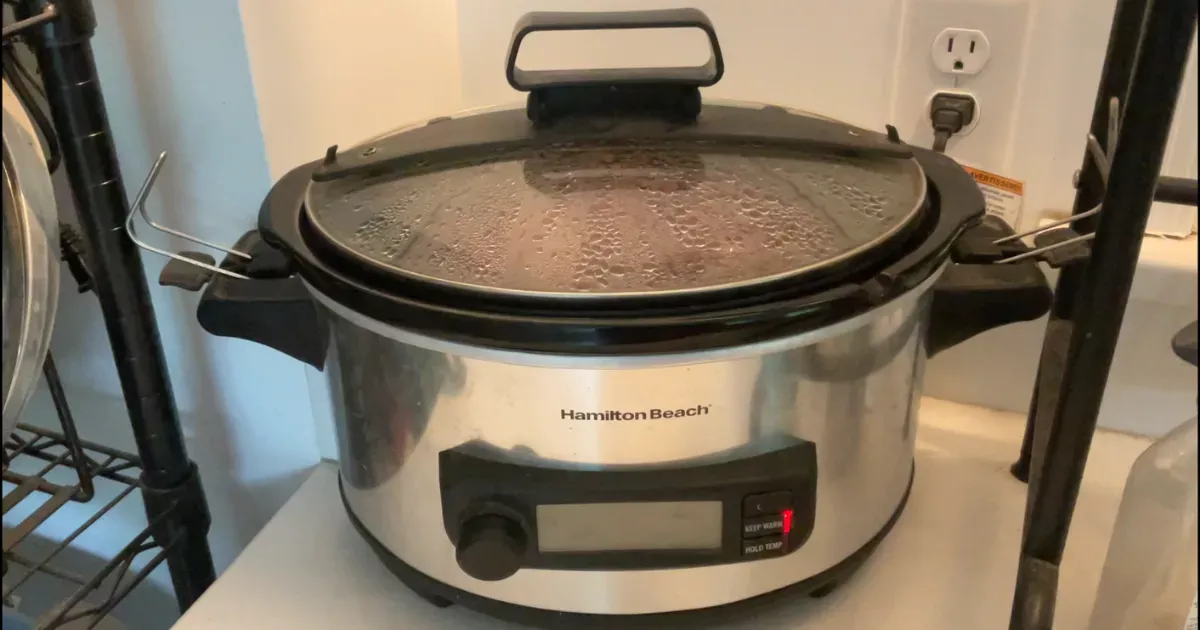 One slow cooker of chili, two dinners. The second half waits in the fridge for a busy night.
Slow cooker chicken bone broth
I make bone broth whenever I cook a whole bird. If you don't roast chickens, the carcass from a store-bought rotisserie chicken works too. See Slow Cooker Chicken Bone Broth.
Reusables that stick
Reusable lunchboxes, containers, and grocery bags have been routine at our house for many years. The ones that lasted weren't fancy. They were the ones we kept using.
Reusable kitchen swaps
What stuck at our house, and why I'd use what you already own before buying anything new. See Reusable Kitchen Swaps.
Waste free lunch
Leftovers are a regular lunch at our house. Here's how we pack them in containers that last, without a drawer full of baggies. See Waste Free Lunch.
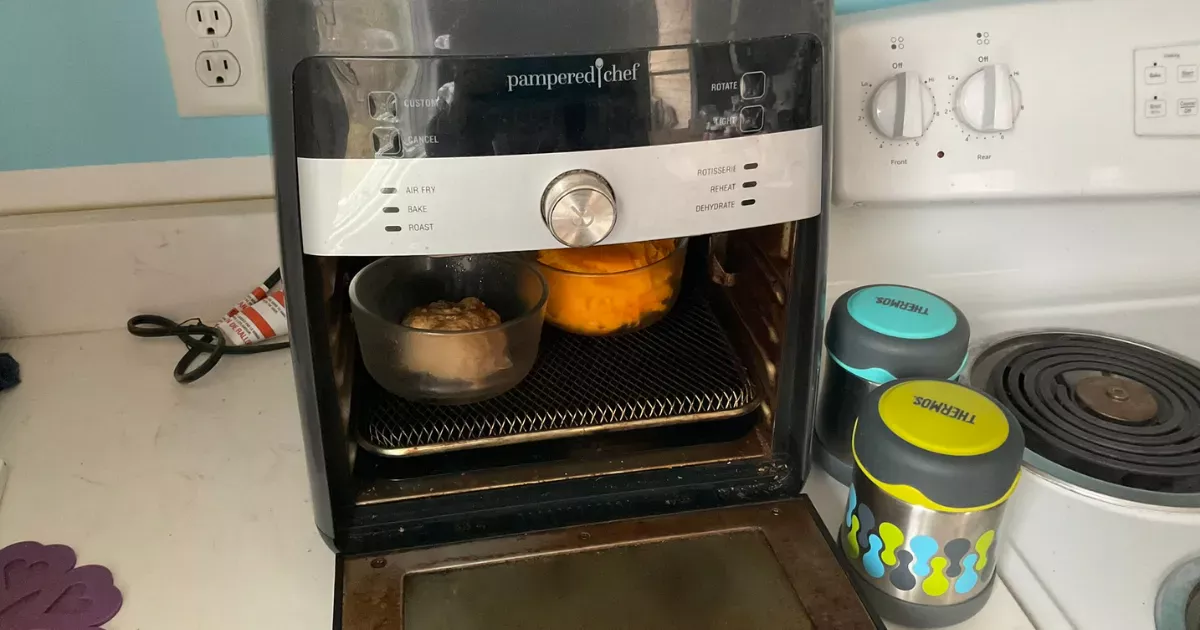 Last night's dinner, today's lunch. No new cooking and nothing thrown out.
Where the scraps go
Some scraps are going to happen. They just need a clear place to go.
Kitchen compost bin
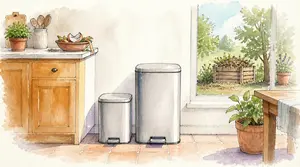
Any container with a lid works. The part that matters is picking where your scraps go first: a city drop-off, a friend's pile, worms, or a pile of your own. See Kitchen Compost Bin.
Compost pile for beginners
Have a corner of yard? A simple pile takes your scraps and gives you compost for the garden. See Compost Pile for Beginners.
Ready to plan more than one system? The Small-Space Self-Sufficiency Starter Map ($12) helps you pick your first three systems based on your real space, time, and energy, then walks you through your first 30 days, one small step a week.
From my kitchen: Looking for recipes and cookware? Those live on Sustainable Cooking.

Amy DeVries helps beginner urban homesteaders learn by doing. A lifelong gardener, she has grown food in spaces that expanded to 18 raised beds, patio containers, dwarf fruit and nut trees, and gravity-fed rainwater systems. She shares practical lessons shaped by real experience. Amy homeschools her children and teaches the same hands-on skills that guide her work.
You might like these
Eat Me First Bin? Try a Use-First Shelf Instead
An eat me first bin helps you eat food before it spoils. Here's the no-bin version our family uses: a use-first shelf and a weekly fridge check.
Cook Once, Eat Twice: Our Routine for Busy Nights and Lunch
Cook once eat twice is how our family handles 4-H and sports nights: double-batch dinners, plus extras warmed up for lunch. Here's our simple routine.
Kitchen Compost Bin: Where Scraps Go Without a Yard
A kitchen compost bin is the easy part. Here's how to pick where your scraps go first, keep the bin from smelling, and skip the gear you don't need.
More Information
Disclosure
All information found on this website is editorial in nature and intended to motivate and inspire rather than be used as medical advice or legal advice.
As an Amazon Associate, I earn from qualifying purchases. I also use Google Ads and cookies as described in the Privacy Policy.
Thank you for your support!
By Amy DeVries, Copyright © 2011-2026 Sage-Urban-Homesteading.com All rights reserved.
