FYI: This website contains affiliate links. As an Amazon Associate I earn from qualifying purchases.
- Home
- Food Preservation
Food Preservation Methods
By Amy DeVries
Smart food preservation focuses on preserving the nutrients. It doesn't matter if something has a long shelf life. So does paper, and most paper is edible. But it doesn't provide the necessary nutrition for a healthy human.
The purpose of preserving food is to increase the shelf life while maintaining a high nutritional value. Most modern processed food fails to do this.
Traditional cultures knew how to preserve foods in ways that would increase the digestibility and nutrients. This is an area of great interest to me that I continue to study.
Dehydrating Food
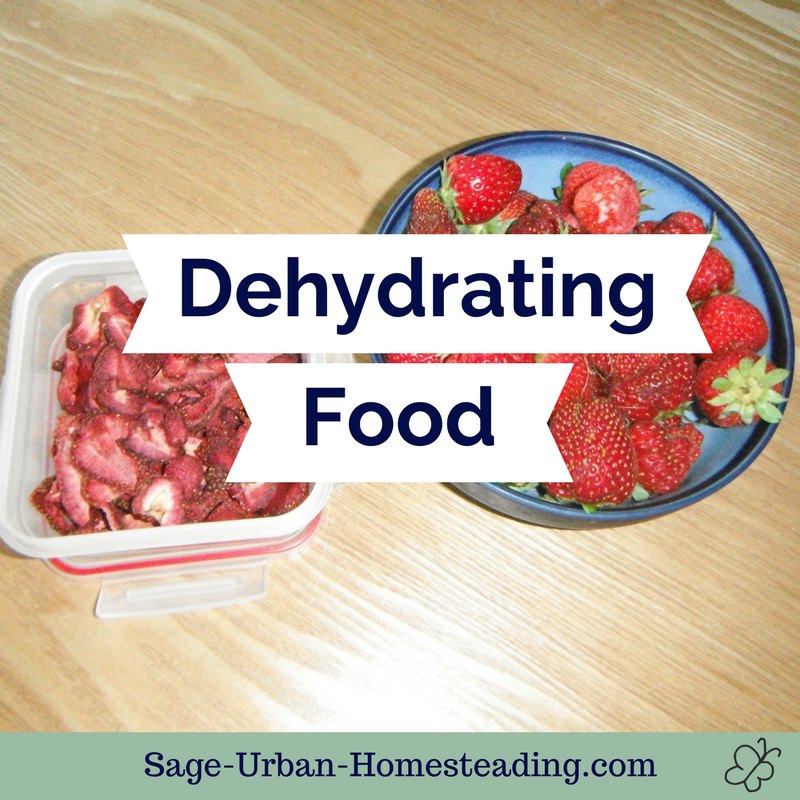
Use the best methods for dehydrating food to avoid mold and bacteria. Drying food is a great preservation technique.
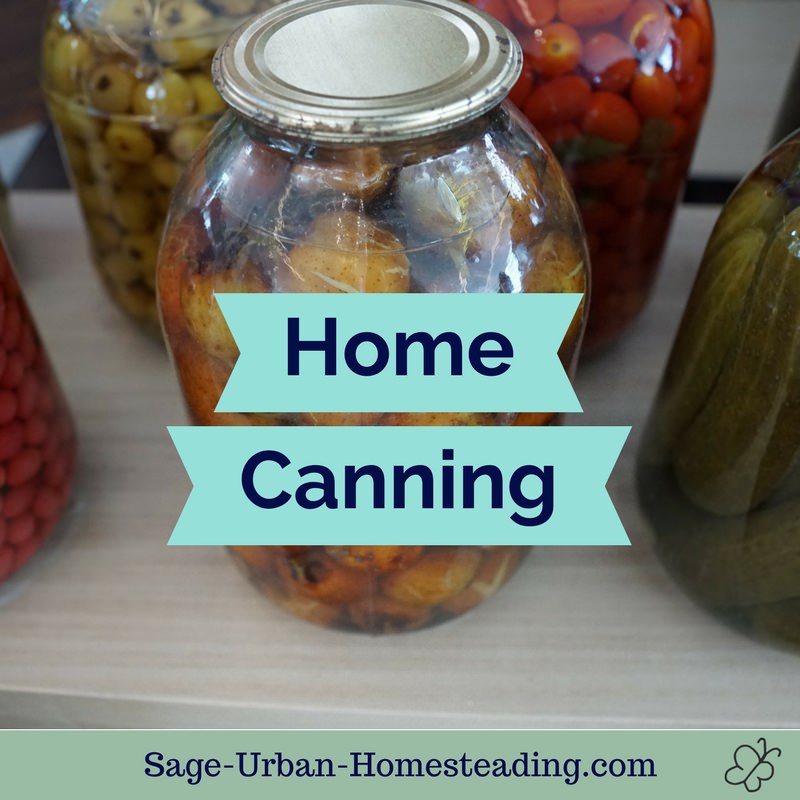
Home Canning Food
Learn when home canning food is safe, different ways to do it, and the potential dangers.
Freezing Food
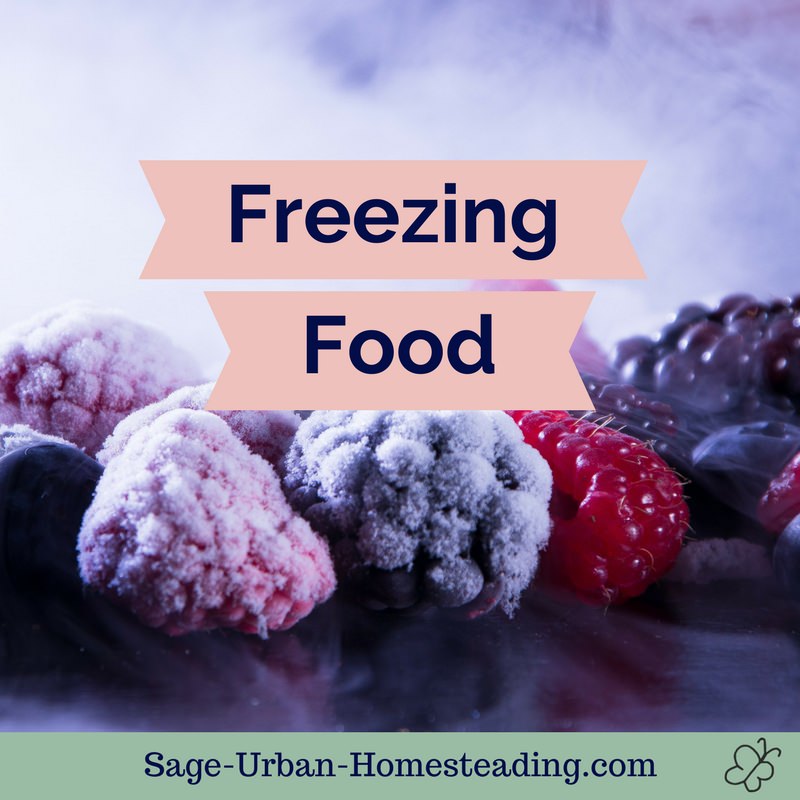
Learn about freezing food, the historical use of frozen foods, and its advantages and disadvantages.
Smoking Food
You can try smoking food in a homemade smoker. Use it for curing meat or adding flavor to cheese. What will you make?
How to Freeze Dry
Nothing beats freeze drying for long-term storage. It's easy to do with the right equipment.
Each preservation technique has pros and cons. Some work better for certain types of foods or in certain climates.
The Root Cellar
You can also try using a root cellar for off the grid, sustainable preservation of your food.
My grandparents talked about storing their vegetables in the root cellar and
basement. There were big barrels of sauerkraut down there. They even
used it as a place to age meat so that it would last longer without electric refrigeration.
Cold Storage for Food Preservation
The problem with modern basements is that they're too warm. In the days before the central heating furnace and good insulation, the basement stayed cold and dark.
To recreate the proper environment, some people dig a cellar as a separate room in the ground separated apart from the house.
This isn't as useful as a cold basement because you would have trouble getting to a separate root cellar in bad weather such as ice or deep snow.
Mini Cold Storage
Another alternative is to use straw in a barrel sunk into the ground. The barrel or container should be deep enough to go below the frost line or the depth that the ground freezes to in the winter.
More to Explore


Amy DeVries helps beginner urban homesteaders learn by doing. A lifelong gardener, she has grown food in spaces that expanded to 16 raised beds, patio containers, dwarf fruit and nut trees, and gravity-fed rainwater systems. She shares practical lessons shaped by real experience. Amy homeschools her children and teaches the same hands-on skills that guide her work.
FYI: This website contains affiliate links. As an Amazon Associate I earn from qualifying purchases.

 Homesteading and homeschooling near Baltimore, Maryland
Recent Articles


-
Monthly Sensory Bins
Oct 03, 26 07:43 AM
 Exploring monthly sensory bins is a fun way to help young children develop their senses and imagination.
 -
Traditional Quilt Blocks for Elementary Math
Sep 13, 26 09:16 AM
 Use traditional quilt blocks to teach geometry, fractions, and patterning with coloring pages, pattern block activities, and creative classroom ideas.
 -
Raising Silkworms for Beginners | Urban Homestead
Sep 13, 26 09:04 AM
 Raising silkworms for beginners: learn what they eat, how to care for them, and when they spin cocoons so you can grow silk at home successfully.
More Information
Disclosure
All information found on this website is editorial in nature and intended to motivate and inspire rather than be used as medical advice or legal advice.
As an Amazon Associate, I earn from qualifying purchases. I also use Google Ads and cookies as described in the Privacy Policy.
Thank you for your support!
By Amy DeVries, Copyright © 2011-2026 Sage-Urban-Homesteading.com All rights reserved.
