FYI: This website contains affiliate links. As an Amazon Associate I earn from qualifying purchases.
- Home
- About Me
The Story Behind Sage Urban Homesteading
If you want to try Sage Urban Homesteading without turning your life into a full-time farm project, you’re in the right place.
I’m Amy DeVries, and Sage Urban Homesteading is where I help city and suburban beginners build sustainability and self-sufficiency through small, practical systems that fit real life. This site is about my experiences, but more importantly, it’s about helping you find a realistic way to start without feeling overwhelmed, without perfectionism, and without needing acres of land or a garage full of equipment.
Who This Site Is For
I created Sage Urban Homesteading for people who want a more sustainable, self-sufficient life but feel stuck between inspiration and overload.
You might be gardening in a backyard, on a patio, or wherever you can find space. You might be drawn to growing food, saving resources, learning old-fashioned skills, or simply becoming a little less dependent on fragile systems.
But most homesteading advice makes it sound like you need more land, more money, more time, and more certainty than you actually have. I know that feeling.
This website is for beginners who want realistic progress they can actually maintain.
How I Help
My method is simple: Start with one system that makes sense for your space and season, build confidence by doing, and grow from there.
Don't repeat my mistakes such as forgetting to harvest the green beans I planted or growing more tomatoes than you have time to preserve. Too much at once creates waste, guilt, or overwhelm, while a smaller system is easier to manage and learn from.
Start with the one system that makes sense for you right now and can give you success to build confidence.
That might mean learning how to grow food in raised beds or containers. It might mean adding dwarf fruit trees, collecting rainwater, or finding practical ways to reduce waste and make do with what you have. The point is to not try to do everything at once. It’s best to create small, low-overwhelm, low-maintenance systems that make your home and life a little more resilient over time.
That’s the idea behind the Sage Urban Homesteading Method. I focus on practical steps for real homes and real families with real limits.
Why I Started This Sage Urban Homesteading Site
Urban homesteading was part of my life before this website ever existed.
In fact, I met my husband through online dating after searching for someone in my area who was interested in urban homesteading. He was the only one who came up! He was already into beekeeping and experimenting with gardening. We started talking, met in person, and discovered that we really were a good match.
By then, I was already the kind of person who built websites around my DIY hobbies, so creating one for this part of life felt natural, too.
My husband and I have spent years trying to build a life that is more sustainable and somewhat self-sufficient within the limits of real life and limited resources.
That matters to me because I remember what it felt like to be at the beginning: interested, inspired, and not always sure how to start. Back then, I had a stack of magazines, a lot of curiosity, and a desire to make this life work on a smaller scale. I also had, as usual, too many houseplants.
I remember the first time I tried to have my own garden outside, and the spot was too shady so my peas hardly grew and carrots didn't even sprout. I gave up and went back to my houseplants until I learned more and was ready to try again with better conditions.
This site grew out of that lived experience. I wanted to create the kind of resource I would have wanted when I was starting out: practical, encouraging, and grounded in what actually works at home.
What My Experience Looks Like in Practice
I’m a lifelong gardener, and over the years I’ve grown food in a variety of spaces. The garden at our 1/4 suburban lot gradually expanded from a couple of pots on the patio to also include 16 raised beds, dwarf fruit and nut trees, and gravity-fed rainwater systems.
I learn by doing, and that’s how I teach, too.
I homeschool my children and share the same hands-on skills at home that shape the advice I write about here. My background also includes community environmental leadership. I was a founding leader of the Green Team at my college, served on the Green Team at the local public library where I worked, and I received a county environmental awareness award for helping establish a Johnny Appleseed Day event at the local community college.
None of that means you need to do everything I’ve done. It means the guidance you’ll find here comes from real practice, gradual learning, and a genuine belief that small steps count.
About the Person Behind the Byline
Amy DeVries writes about beginner urban homesteading, practical gardening, small-scale self-sufficiency, and resource-saving home systems for city and suburban households.
Her work is rooted in first-hand experience building manageable systems over time, with an emphasis on making homesteading feel manageable rather than intimidating.
Overwhelmed city and suburban beginners can build self-sufficiency through small, low-overwhelm, low-maintenance resource-saving systems they can adapt to their space and lifestyle to make meaningful progress without perfection.
Start Here
If that approach sounds like what you’ve been looking for, the best next step is to join my newsletter and get Which Urban Homestead System Should You Start First?
It will help you choose a realistic place to begin based on your space, your lifestyle, and what feels manageable right now.
FYI: This website contains affiliate links. As an Amazon Associate I earn from qualifying purchases.

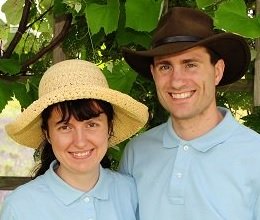 Homesteading and homeschooling near Baltimore, Maryland
Recent Articles


-
Monthly Sensory Bins
Oct 03, 26 07:43 AM
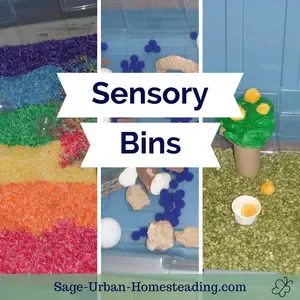 Exploring monthly sensory bins is a fun way to help young children develop their senses and imagination.
 -
Traditional Quilt Blocks for Elementary Math
Sep 13, 26 09:16 AM
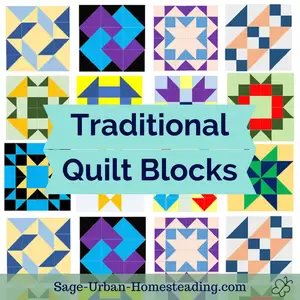 Use traditional quilt blocks to teach geometry, fractions, and patterning with coloring pages, pattern block activities, and creative classroom ideas.
 -
Raising Silkworms for Beginners | Urban Homestead
Sep 13, 26 09:04 AM
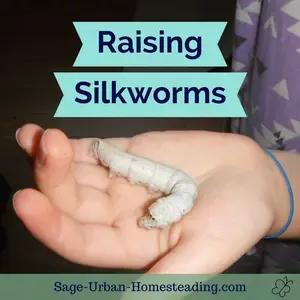 Raising silkworms for beginners: learn what they eat, how to care for them, and when they spin cocoons so you can grow silk at home successfully.
More Information
Disclosure
All information found on this website is editorial in nature and intended to motivate and inspire rather than be used as medical advice or legal advice.
As an Amazon Associate, I earn from qualifying purchases. I also use Google Ads and cookies as described in the Privacy Policy.
Thank you for your support!
By Amy DeVries, Copyright © 2011-2026 Sage-Urban-Homesteading.com All rights reserved.
